When Is Orthodontic Treatment Necessary?
Orthodontic treatment becomes necessary when tooth or jaw alignment is harming the way you bite, chew, breathe, speak, or clean your teeth—or when it’s likely to do so as your child grows. In other words, it’s not just about straighter smiles; it’s about function and long-term oral health.
The Short Answer: When Teeth Alignment Affects Function, Health, or Growth
At Los Angeles Dental Center in Chihuahua, Mexico, our team led by Dr. Nancy Tornero uses a simple rule of thumb: if alignment problems are causing trauma to teeth or gums, excessive wear, TMJ strain, mouth-breathing, or hygiene challenges that raise the risk for cavities or gum disease, treatment isn’t cosmetic—it’s health care. For kids, we also look at growth guidance: some bite problems are much easier (and gentler) to correct while the face and jaws are still developing.
You’ll sometimes hear the terms “necessary,” “recommended,” and “elective.” Necessary care solves functional or health-related problems. Recommended care improves both health and appearance but might be timed around growth or life events. Elective care is primarily cosmetic—still valid if it matters to you, but not urgent. We’ll help you classify your case so you can decide with confidence.
Age Matters: First Check-Up at 7, Teens, and Adults
First check-up at about age 7. By this age, children usually have a mix of baby and adult teeth, and we can see how the jaws are growing. In our Chihuahua clinic, we recommend a brief early evaluation to catch issues like crossbite, severe crowding, bite shifts, or habits (thumb-sucking, prolonged pacifier use) that may impact jaw growth. Not every 7-year-old needs treatment, but the ones who do benefit from simple, interceptive steps (think palatal expanders or habit appliances) that can prevent bigger problems later.
Preteens and teens are the classic window for comprehensive orthodontics because growth can be used to our advantage. We address overbite/deep bite, underbite, open bite, overjet (protrusion), impacted canines, crowding, or spacing. This is when families often ask, “Braces or aligners?” We’ll walk you through the trade-offs: aligners are discreet and removable; braces are always on and can be more efficient for complex rotations or vertical corrections.
Adults pursue orthodontics for function, gum health, and confidence. Tooth wear, drifting after extractions, or gum recession can worsen if alignment stays off. Adults often do excellently with clear aligners; for more complex problems we may combine braces, bite-adjustments, or—occasionally—orthognathic surgery with a maxillofacial surgeon. We coordinate those cases step-by-step so timelines and expectations are crystal clear.
Signs You (or Your Child) May Need Orthodontics
Here’s what to watch for at home and during routine checkups. If a few resonate, it’s time for a professional evaluation.
- Crowding or spacing that traps food or complicates flossing
- Crossbite (upper teeth bite inside the lowers) or a jaw that shifts to one side
- Overbite/deep bite (upper teeth cover too much of the lowers)
- Underbite (lower teeth/jaw ahead of the uppers)
- Open bite (front teeth don’t touch when you bite)
- Overjet/protrusion (upper front teeth too far forward—higher trauma risk)
- Impacted or “stuck” teeth, especially canines that aren’t erupting on schedule
- Mouth-breathing, snoring, or speech concerns linked to jaw or tongue posture
- Habits beyond early childhood (thumb-sucking, pacifier, lip-biting)
What that might mean & typical approaches (at our clinic):
| Sign | Why it matters | Common first steps |
|---|---|---|
| Crossbite (back or front) | Can cause asymmetric growth, enamel wear, gum recession | Palatal expander or cross-elastics; early correction preferred |
| Severe crowding | Hard to clean → cavities/gum issues; blocks normal eruption | Space creation (expansion/arch development), selective stripping, or planned extractions |
| Overjet (top teeth far forward) | Higher risk of chipping/trauma, lip incompetence | Growth-guided appliances, braces/aligners, elastics; earlier correction reduces trauma risk |
| Open bite | Inefficient chewing; speech patterns; tongue habit | Habit therapy, aligners/braces with vertical control; sometimes TADs or surgery in adults |
| Underbite | Tooth wear, TMJ strain; jaw growth discrepancy | Early orthopedic guidance when possible; braces/aligners; surgery for skeletal cases |
| Impacted canines | Can damage adjacent roots; aesthetics | Space creation, 3D imaging, surgical exposure + orthodontic guidance |
Throughout these decisions, Dr. Tornero prioritizes the least invasive plan that still protects function and growth.
What Happens If You Wait? Risks and Missed Growth Windows
Waiting isn’t always harmful—but it can be. Delaying treatment on certain problems can lead to:
- Harder, longer, or more invasive care later. A simple expander at 9 can become jaw surgery at 19 if a severe crossbite is ignored.
- Tooth wear and gum recession. Deep bites and crossbites can grind enamel and push gums to recede.
- Impaction or ectopic eruption. Crowded canines may veer off course and damage nearby roots.
- Higher trauma risk. Protruded front teeth chip more easily, especially in sports.
- Hygiene challenges. Crowding makes flossing difficult, raising cavity and gum-disease risk.
When you visit Los Angeles Dental Center, we’ll tell you candidly whether your case is fine to monitor, time around growth, or treat now to avoid avoidable complications. Monitoring is a legitimate plan—but only when it’s active, with check-ins and imaging at sensible intervals.
Treatment Paths by Case: Interceptive, Braces, Aligners, and Surgery
Interceptive (Phase 1) treatment is about guiding growth and making room. For 7–10-year-olds with crossbite, severe crowding, or bite shifts, we may use palatal expanders, limited brackets, or habit appliances for several months. The goal is to set the stage for a simpler, shorter comprehensive phase later—or sometimes avoid it entirely.
Comprehensive orthodontics (teens and adults) aligns all teeth and corrects the bite.
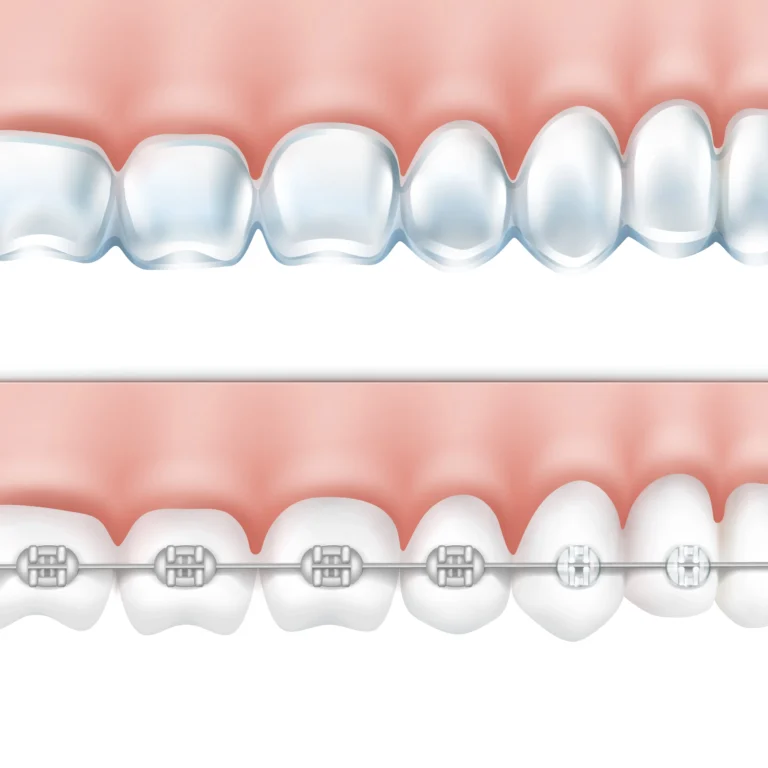
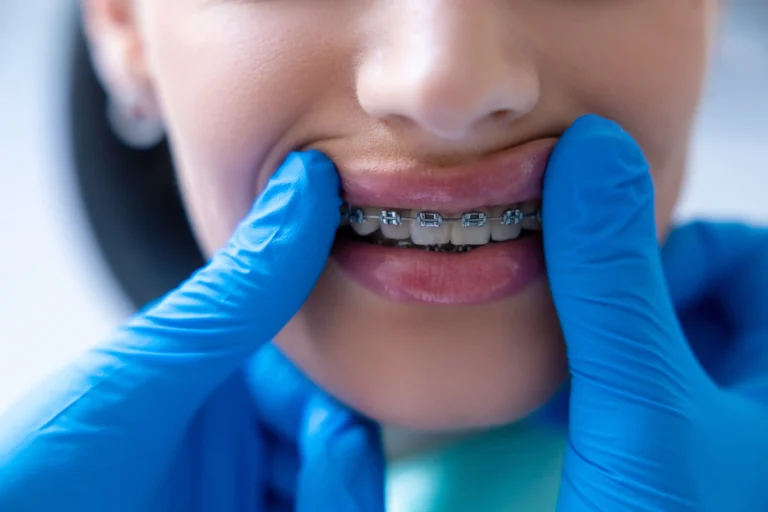
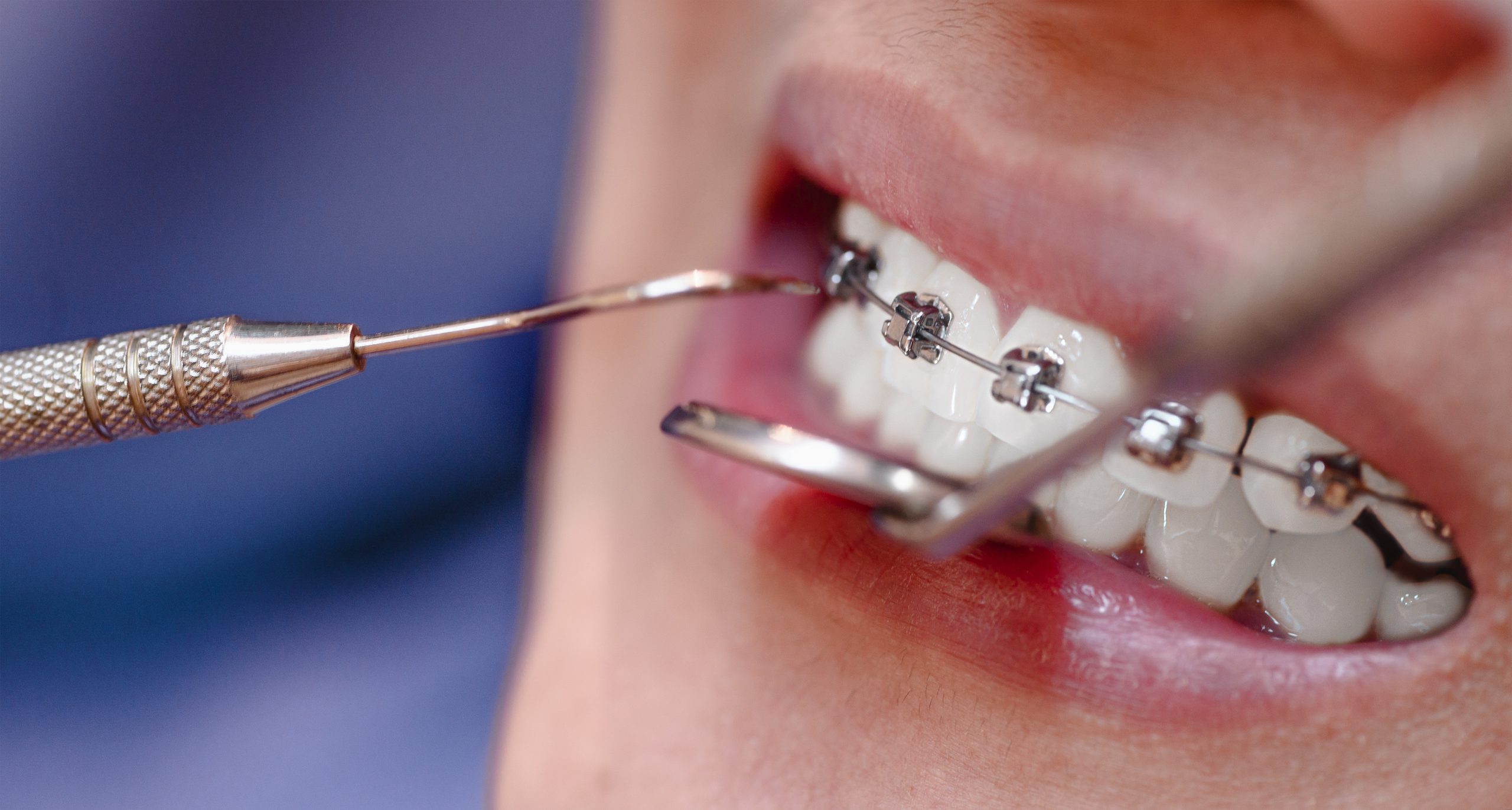
- Braces: Always working, great for complex rotations/vertical control. Today’s options include low-profile metal or ceramic brackets.
- Clear aligners: Nearly invisible and removable for eating/cleaning. Excellent for many cases when wear is consistent (we’ll coach you!).
- Elastics & auxiliaries: Small rubber bands or temporary anchorage devices (TADs) fine-tune jaw and tooth positions.
Surgery-assisted orthodontics enters the picture for true skeletal discrepancies in adults (significant underbite/overbite or asymmetry). We partner with trusted surgeons and plan digitally so you know the milestones before you start.
At our Chihuahua practice, Dr. Tornero helps you choose the least complex option that still meets your health and smile goals. We’ll happily compare braces vs. aligners for your exact situation, including lifestyle, hygiene, and budget.
How Long, How Often, and What About Retainers?
Treatment length depends on complexity and cooperation, but most comprehensive cases run from several months up to about 2 years. Appointments are typically every 4–10 weeks to change wires or trays, check tracking, and keep things moving.
After active treatment, retention is non-negotiable. Teeth have memory; they like to drift. You’ll leave with a retainer plan tailored to you—often nightly wear at first, then a gradual taper. Some patients choose bonded (fixed) retainers behind the front teeth for extra stability; others prefer removable designs. We’ll review pros and cons, cleaning tips, and what to do if a retainer breaks or no longer fits.
Our team emphasizes comfort and clarity: we explain each step, preview sensations (pressure, mild tenderness), and share simple hacks—like switching to new aligners before bedtime and using a cold compress if you’re sore.
Cost, Comfort, and What to Expect at Each Visit
We keep fees transparent and timelines realistic. At your first visit to Los Angeles Dental Center, expect:
- Conversation & photos/X-rays. Tell us your goals (health, aesthetics, both). We examine bite, hygiene, and jaw function; for teens, we review growth status.
- 3D records (as needed). Digital scans help us simulate outcomes and spot impacted teeth.
- Options & timing. We outline necessary vs. recommended vs. elective paths, estimated length, visit frequency, and retention plan from day one.
- Comfort plan. Tips for soreness relief, what to eat the first few days, and how to clean around brackets or aligner attachments.
- Budget fit. We discuss payment options and sequencing care to meet your timeline.
Most visits are quick—check progress, make adjustments, celebrate wins, and answer questions. If you ever feel unsure, tell us. We’d rather over-communicate than leave you guessing.
Orthodontic Care in Chihuahua, Mexico — Los Angeles Dental Center
If you’re in Chihuahua, you don’t need to travel far for expert, friendly orthodontic care. Dr. Nancy Tornero and our team provide:
- Early evaluations (around age 7) to catch crossbites, crowding, and eruption issues
- Growth-guided interceptive care when it prevents bigger problems
- Comprehensive treatment with braces or clear aligners for teens and adults
- Special-case coordination, including impacted canines and surgery-assisted care when appropriate
- Retention and long-term follow-ups to protect your results
We’ll meet you where you are—curious, cautious, or ready to start—and design a plan that fits your life.
Conclusion
Orthodontic treatment is necessary when alignment is harming function, health, or growth, or when waiting would make correction harder. Early check-ups, smart timing, and the right appliance at the right moment keep care efficient and comfortable. If you’re near Chihuahua, schedule a visit with Dr. Nancy Tornero at Los Angeles Dental Center. We’ll tell you honestly whether it’s time to treat, time to monitor, or time to celebrate a great bite.
FAQs
What age should my child first see an orthodontist?
Around age 7 is a smart first check-up. Many kids won’t need treatment yet, but a quick look can catch crossbite, crowding, or growth shifts early.
How do I know if treatment is necessary vs. cosmetic?
If alignment affects chewing, speech, breathing, oral hygiene, or causes wear/trauma—or if waiting could complicate care—it’s medically necessary.
How long does treatment take and how often are visits?
Most comprehensive cases take months to about 2 years, with visits roughly every 4–10 weeks.
Braces or aligners—which is better?
Depends on your case and lifestyle. Braces are always on and great for complex movements; aligners are discreet and removable but require consistent wear.
Will I need teeth removed?
Sometimes, especially with severe crowding. Early interceptive steps can reduce that likelihood in growing patients.
Do I have to wear a retainer forever?
Plan on long-term retention to keep your results. We’ll personalize the schedule and type (removable or fixed).