
When to Take a Child to the Dentist for the First Time?
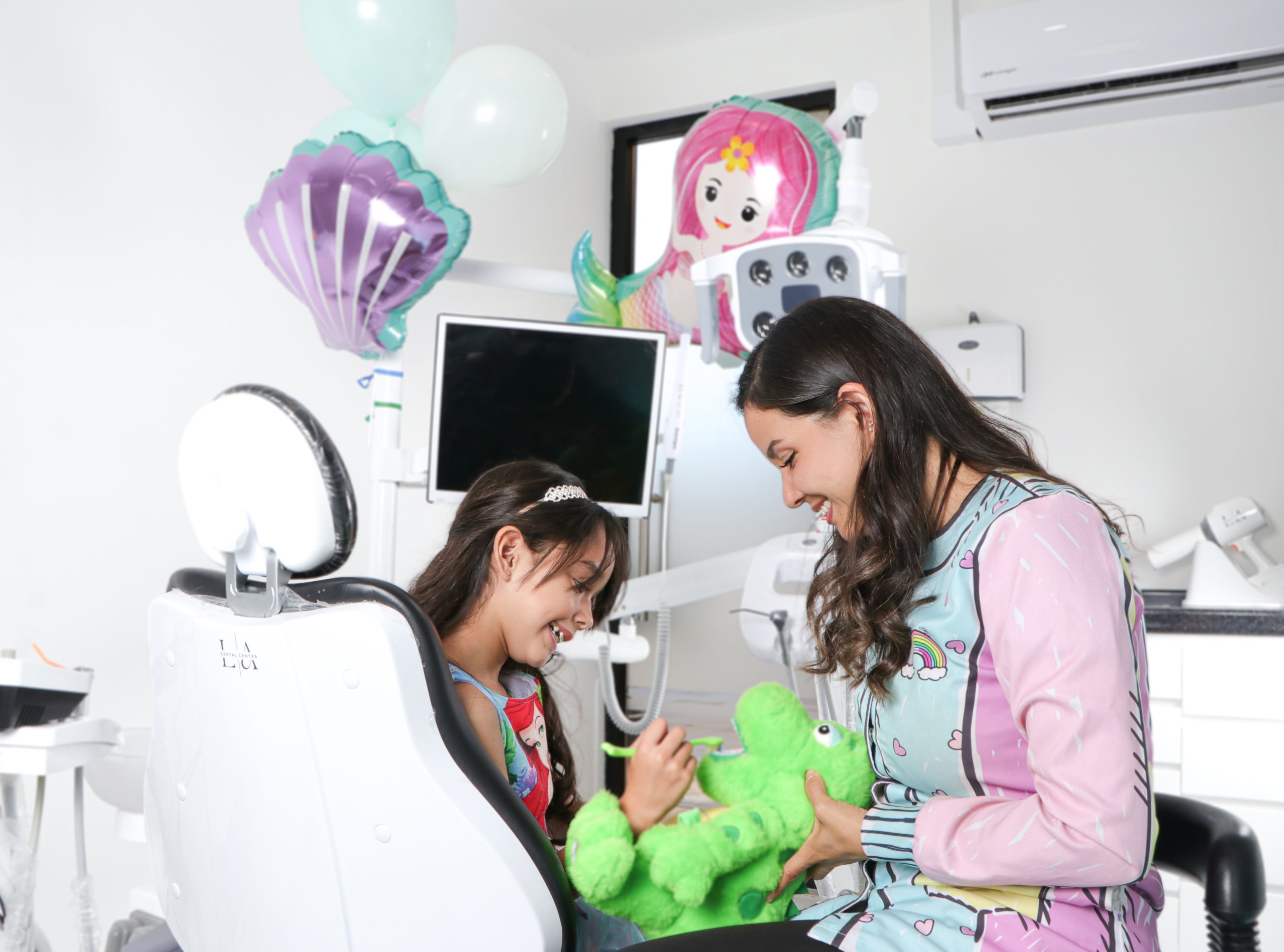
The best time for a child’s first dental visit is by the first tooth or by the first birthday—whichever comes first. That early check doesn’t mean your baby needs a full cleaning or X-rays; it’s mainly a gentle exam, prevention coaching, and a chance for you to ask questions. Starting early sets healthy habits, catches small issues before they grow, and helps kids see the dental office as a friendly, familiar place.
At Los Angeles Dental Center in Chihuahua, Mexico, Dr. Nancy Tornero and our team keep these first appointments short, positive, and parent-centered. We focus on comfort and clear guidance you can use at home right away.
Why So Early? Preventing Problems Before They Start
Baby teeth matter. They hold space for adult teeth, guide jaw growth, and help with speech and nutrition. Seeing us early allows us to:
- Spot early decay risk from bottles, juices, frequent snacking, or night feeding.
- Check eruption and growth—are teeth and jaws on schedule?
- Coach on brushing and fluoride so you know exactly how much and how often.
- Address habits (pacifier, thumb or finger sucking, mouth breathing) before they affect bite or palate shape.
- Build confidence—for you and your child—long before “big” dental visits are needed.
What to Expect at the First Visit (Knee-to-Knee, Cleaning, Fluoride)
A first dental visit for babies and toddlers is quick and calm—usually 15–30 minutes:
- Knee-to-knee exam: Your child sits on your lap, then gently reclines with their head on the dentist’s lap while you hold their hands. This position keeps little ones secure and lets you see exactly what we see.
- Gentle look and clean: We examine gums, tongue, and teeth, remove visible plaque, and check for early spots of demineralization (“chalky” white areas).
- Fluoride guidance or varnish: If your child would benefit, we may apply a quick fluoride varnish to strengthen enamel.
- X-rays only if needed: Most babies don’t need X-rays. We reserve them for specific concerns (injury, suspected decay, or development questions).
- Personalized home plan: You’ll leave with brushing tips, feeding strategies, and a clear follow-up schedule.
How to Prepare Your Baby—and Yourself (Timing, Comfort, Feeding Tips)
A smooth first visit starts at home:
- Pick a morning slot when your child is rested and fed.
- Bring a comfort item (blanket, stuffed animal, pacifier if used).
- Practice at home: Play “dentist” for a minute—count teeth with a clean finger or tiny brush.
- Use positive words: Say “the dentist will help keep your teeth strong,” not “this won’t hurt.”
- Light snack, then brush: Avoid sticky foods right before the appointment; brush or wipe teeth clean beforehand.
- Caregiver game plan: Two adults can be helpful—one drives, one comforts. If only one parent comes, we’ll guide the knee-to-knee position step by step.
What to bring: ID, any medical info, your child’s bottle or water, a list of questions, and the toothbrush you currently use (so we can fine-tune technique).
After the Visit: How Often to Come Back (6-Month Rhythm and Exceptions)
Most kids do well with a checkup every 6 months. We may suggest every 3–4 months if there’s higher risk for cavities (e.g., frequent snacking or sipping, visible plaque, enamel defects, or previous decay). These short “happy visits” build familiarity, keep you on track with home care, and let us tweak the plan as your child grows.
Baby Tooth Basics: Brushing Amounts, Bottles, Pacifiers, and Thumb-Sucking
Here’s a quick, practical guide you can stick on the fridge:
| Age | What to Do | Why It Matters |
|---|---|---|
| 0–6 months | Wipe gums once daily with a clean, damp cloth. | Builds routine and removes milk residue. |
| First tooth to ~3 years | Brush 2×/day with a rice-sized smear of fluoride toothpaste. Start flossing the moment two teeth touch. | Fluoride protects new enamel; tiny amounts are safe and effective. |
| ~3–6 years | Brush 2×/day with a pea-sized amount. Adult helps or supervises until brushing is neat and thorough. | Kids don’t master brushing until ~7–8 years. |
| Bottles & sippy cups | Offer water between meals; avoid milk or juice in bed. | Nighttime sugars + low saliva = higher cavity risk. |
| Pacifier/thumb | Aim to stop by age 3; we’ll suggest gentle weaning strategies. | Prolonged habits can narrow the palate or open the bite. |
| Snacks & drinks | Keep sweets/juices to mealtimes; choose water for sipping. | Reduces “sugar time” on teeth and lowers cavity risk. |
If brushing battles are real (totally normal!), ask us about positioning tricks, toothbrush types, and fun timers. We’ll make it doable.
Pediatric Dental Care in Chihuahua, Mexico — Los Angeles Dental Center
If you’re in Chihuahua, your child’s first dental home is right here. Dr. Nancy Tornero and our bilingual team provide:
- First-tooth/first-birthday visits that are quick, gentle, and parent-centered
- Knee-to-knee exams so little ones feel secure in your arms
- Fluoride guidance and varnish when beneficial
- Personalized brushing and feeding coaching you can apply the same day
- A warm, kid-friendly space and clear follow-ups every 6 months (or sooner if helpful)
Ready to book your child’s first visit? We’ll make it easy—and even a little fun.
Conclusion
Take your child to the dentist by the first tooth or first birthday. Early, friendly visits prevent problems, build great habits, and make future appointments a breeze. At Los Angeles Dental Center in Chihuahua, Dr. Nancy Tornero is happy to guide your family step by step—from the first tiny tooth to a healthy, confident smile.
FAQs
Is age 1 really necessary?
Yes—early visits are short, educational, and preventive. They help us coach you on brushing, feeding, and fluoride before problems start.
Will my baby need X-rays?
Usually not. We only take them if there’s a specific concern.
Is fluoride safe for toddlers?
Used properly, yes. That’s why we recommend a rice-sized smear for under-3s and a pea-sized amount from about age 3. Varnish is quick and well-tolerated.
How long does the first appointment take?
About 15–30 minutes, including exam, coaching, and any preventive steps.
What if my child cries?
Totally normal. We work quickly, keep you involved, and celebrate small wins. Each visit gets easier.