
Periodontitis: What It Is, Causes, and Treatment
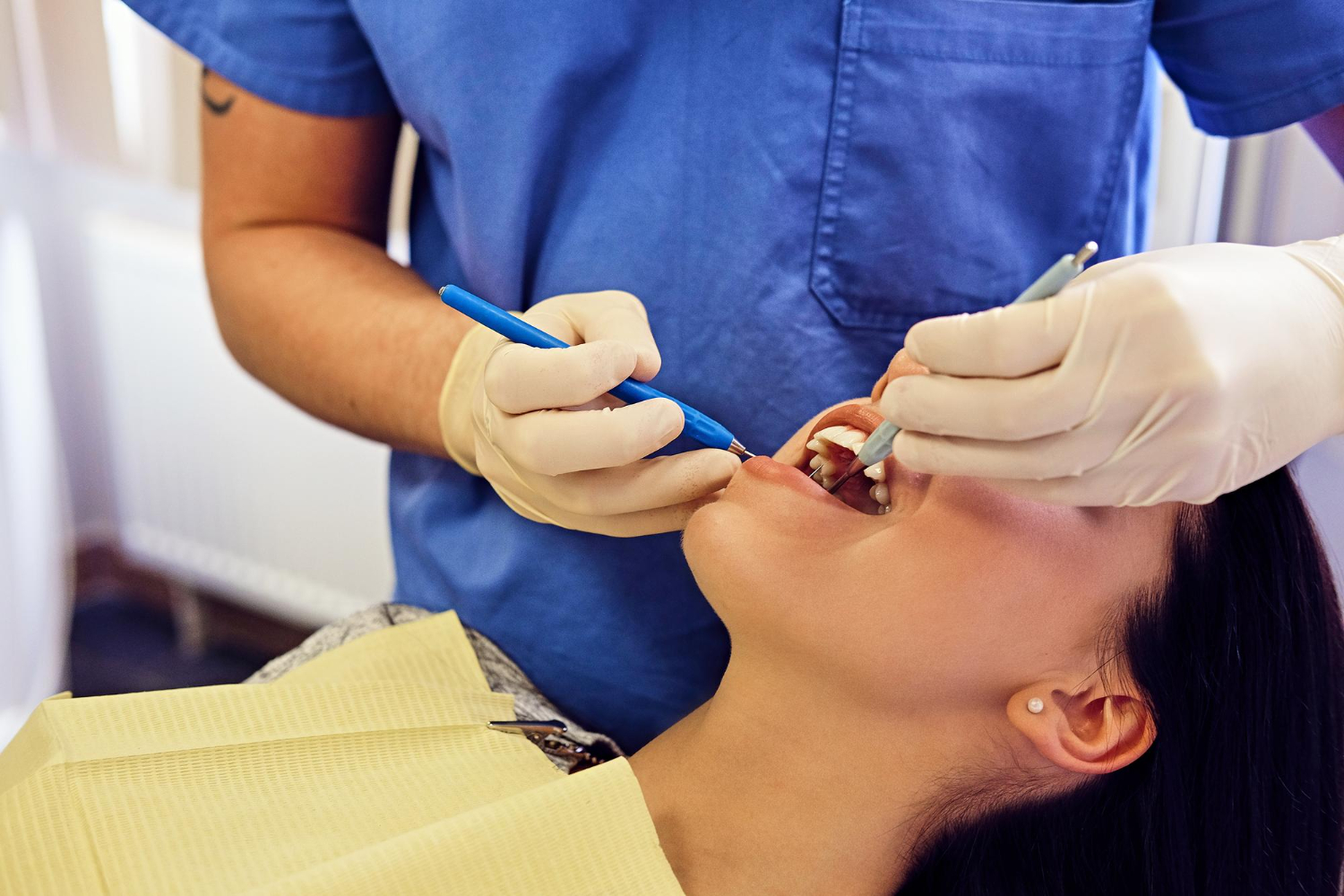
Periodontitis—often called advanced gum disease—is a chronic infection that damages the soft tissue and bone that hold your teeth in place. It usually starts with gingivitis (inflamed, bleeding gums) caused by sticky bacterial plaque. If plaque isn’t removed, it hardens into tartar (calculus). Bacteria thrive along and beneath the gumline, your body mounts an immune response, and the result is deepening periodontal pockets, gum recession, and gradual bone loss around teeth.
At Los Angeles Dental Center in Chihuahua, Mexico, our team led by Dr. Nancy Tornero keeps the definition simple for patients: periodontitis is when gum inflammation has already affected the bone. That’s why brushing harder won’t fix it—what you need is professional care to remove the bacteria below the gumline and a plan to keep them from coming back.
A key point to remember: periodontitis is manageable but not “curable” in the sense of a one-and-done fix. Think of it like high blood pressure: with the right treatment and maintenance, we can stabilize it and protect your smile for the long term.
Early Warning Signs and Symptoms
You don’t need dental jargon to spot red flags. Here are the signs we wish everyone watched for at home:
- Gums that bleed when you brush or floss (bleeding is not “normal”).
- Bad breath that lingers, even after brushing.
- Red, swollen, or tender gums; sometimes they look shiny.
- Gum recession—teeth look longer, or you notice sensitivity to cold.
- New spaces between teeth or a change in your bite.
- Loose teeth or a feeling that teeth wiggle when you press on them.
In our practice, a common comment is, “My gums bleed when I floss.” That’s our cue to check for inflammation and measure pocket depth. Another tip we share in the clinic: if a certain spot bleeds every time you clean there, it deserves attention—not avoidance. Skipping that area lets the biofilm grow stronger.
If you’re unsure whether you’re seeing early gingivitis or something more serious, don’t guess. The difference is attachment loss—and that can only be confirmed with a dental exam.
What Causes Periodontitis? Risk Factors You Can and Can’t Control
The root cause is dental plaque biofilm that matures undisturbed along the gumline. But not everyone responds the same way to plaque. Your risk profile matters:
You can influence
- Oral hygiene habits: quality of brushing, flossing, and interdental cleaning.
- Smoking or vaping: tobacco dramatically increases severity and slows healing.
- Diet and stress: poor nutrition and chronic stress can impact immune response.
- Dental checkups: missing cleanings gives plaque time to harden into tartar.
Harder to change (but important to know)
- Diabetes: uncontrolled blood sugar worsens gum disease and vice versa.
- Genetics & family history: some people are more susceptible to aggressive bone loss.
- Hormonal changes: pregnancy, menopause, or certain medications can increase inflammation.
- Age & systemic conditions: risk accumulates over time and with some medical issues.
At Los Angeles Dental Center we build a personalized risk score. For example, a light plaque former who smokes may need the same level of care as a heavy plaque former who doesn’t. Knowing your levers helps us tailor prevention and treatment.
How Dentists Diagnose It (Probing, X-rays, and the 2017 Staging/Grading)
Diagnosis is straightforward and comfortable:
- Periodontal charting: We use a tiny probe to measure pocket depths (in millimeters) around each tooth. Healthy gums are typically 1–3 mm; 4+ mm pockets suggest periodontal breakdown.
- Bleeding on probing (BOP): Bleeding points show active inflammation.
- Clinical attachment loss (CAL): Confirms that the supporting tissue has been lost.
- Digital X-rays: Low-radiation images help us see the height and pattern of bone.
At our clinic in Chihuahua, Dr. Tornero prioritizes early detection: if we catch changes on X-rays before you feel symptoms, we can intervene sooner and more conservatively.
Staging and Grading (2017) in Plain English
Dentistry now classifies periodontitis using Stage (I–IV) for severity/complexity and Grade (A–C) for rate of progression/risk. Here’s a simplified view:
| Framework | What It Tells You | Plain-English Summary |
|---|---|---|
| Stage I | Mild | Early bone loss, pockets ~4 mm; treatable without surgery in many cases. |
| Stage II | Moderate | Deeper pockets (~5–6 mm), more bone loss; meticulous therapy needed. |
| Stage III | Severe | Potential tooth mobility, deep defects; may require surgical therapy. |
| Stage IV | Advanced | Bite changes, many missing/compromised teeth; complex rehabilitation. |
| Grade A | Slow progression | Healthy lifestyle, few risk factors. |
| Grade B | Moderate progression | Typical response; some risk factors present. |
| Grade C | Rapid progression | Smokers, uncontrolled diabetes, or fast deterioration. |
We combine Stage + Grade to design the right plan and maintenance schedule for you.
Treatment Options: From Deep Cleaning to Surgery
The good news: most patients start with non-surgical care.
Non-surgical first line
- Scaling and root planing (SRP, “deep cleaning”): Carefully removes plaque and tartar below the gumline and smooths root surfaces so bacteria are less likely to re-attach.
- Antimicrobial support (when indicated): Local antibiotics placed into deep pockets or short courses of systemic medication in selected cases.
- Bite and habit adjustments: Address clenching/grinding and overhanging fillings that trap plaque.
- Home-care coaching: Technique beats force—soft bristle brush or quality power brush, daily interdental cleaning (floss or interdental brushes), and specific rinses when they help.
At Los Angeles Dental Center, we commonly start with SRP across the affected areas, then re-evaluate in 4–8 weeks. Many Stage I–II cases stabilize here without surgery.
When surgery makes sense
If deep pockets persist or bone defects are complex, periodontal surgery may be recommended:
- Pocket reduction (flap surgery) to access and clean roots thoroughly.
- Regenerative procedures such as bone grafts, guided tissue regeneration (GTR), or biologics (e.g., enamel matrix derivatives, PRF/PRP) to rebuild support in the right situations.
- Soft-tissue grafts to cover recession and improve gum thickness.
Surgery is targeted: we treat the sites that don’t respond to non-surgical therapy. Dr. Tornero’s approach is conservative—minimal surgery, maximum maintenance—because long-term stability is the goal.
Can Periodontitis Be Cured or Reversed?
Short answer: you can’t turn damaged bone back to “brand-new” everywhere, but you can stop active disease and, in some cases, regenerate support in specific defects. Think control and stability, not a permanent off-switch.
Here’s what “success” looks like to us:
- Pockets shrink to maintainable depths.
- Bleeding decreases significantly.
- Home care improves (you feel confident cleaning your mouth).
- Stable X-rays over time (no ongoing bone loss).
With consistent maintenance and habits, many patients go years without further progression. If you slip, we course-correct quickly—just like you would with any chronic health condition.
Home Care and Prevention That Actually Help
Periodontitis is a team sport. What you do at home matters as much as what we do in the chair.
- Brush twice daily for two full minutes. A power toothbrush can help, especially if you struggle with technique.
- Clean between teeth daily: floss or interdental brushes (often better in wider spaces and around dental work).
- Aim for the gumline: 45° angle, gentle circles; don’t “saw” horizontally.
- Targeted rinses: short-term antimicrobial rinses may be prescribed after deep cleaning or surgery; alcohol-free options are available.
- Lifestyle wins: If you smoke, we’ll support you in cutting down or quitting. Keep diabetes well managed and build a tooth-friendly diet.
Our Chihuahua team spends time on one-to-one coaching—we’ll show you exactly where plaque hides in your mouth and which tools fit your spaces. Patients tell us this is the step that finally makes home care “click.”
Gingivitis vs. Periodontitis: What’s the Difference?
- Gingivitis = inflamed gums without bone loss. Reversible with professional cleaning and great home care.
- Periodontitis = inflammation with bone loss and deeper pockets. Not fully reversible, but very manageable with treatment and maintenance.
If you’re unsure where you are on the spectrum, book an evaluation. The exam is quick, painless, and gives you a clear plan.
When to See a Dentist (and Why Sooner Is Better)
Call your dentist if you notice bleeding, bad breath, gum recession, or a loose tooth. Early visits mean simpler treatment, fewer appointments, and better long-term outcomes. If you’ve been told you need a deep cleaning but have questions, we’re happy to walk you through the why, the how, and what to expect afterward.
In Chihuahua, Mexico, you can schedule a periodontal evaluation with Dr. Nancy Tornero at Los Angeles Dental Center. We’ll measure, explain, and create a plan that fits your goals and budget—whether you need targeted deep cleaning, surgical care, or a maintenance reboot.
Periodontitis Care in Chihuahua, Mexico — Los Angeles Dental Center
Here’s our typical roadmap:
- Assessment & photos/X-rays → understand your Stage/Grade and risk factors.
- Personalized non-surgical therapy → SRP + tailored home-care kit and instructions.
- Re-evaluation in 4–8 weeks → measure pocket changes and bleeding.
- Site-specific care → local antibiotics or surgery for non-responding areas, only if needed.
- Supportive periodontal therapy → cleanings every 3–6 months depending on your risk score.
We keep communication clear, costs transparent, and goals realistic. Our mission is simple: stop the disease, keep teeth for life, and make home care easy.
Conclusion
Periodontitis is common, serious, and absolutely manageable. With early diagnosis, evidence-based treatment, and steady maintenance, most people keep their natural teeth and enjoy healthy, comfortable gums. If you’re in or near Chihuahua, we’d love to help you get there.
FAQs
Is periodontitis reversible?
Not fully. But with deep cleaning, possible adjunctive therapies, and consistent maintenance, we can control it and prevent further damage.
Does deep cleaning hurt?
We numb the area so you’re comfortable. Most patients report mild soreness for a day or two that’s manageable with over-the-counter pain relief and saltwater rinses.
How often do I need maintenance cleanings afterward?
Most patients return every 3–6 months. Your interval depends on your Stage/Grade, home care, and risk factors (like smoking or diabetes).
Will I need antibiotics?
Not everyone does. We consider antibiotics for specific situations (certain deep sites, systemic conditions). When used, they’re adjuncts to good mechanical cleaning—not a replacement.
What’s the difference between a dentist and a periodontist for treatment?
General dentists diagnose and treat many cases; periodontists handle complex or surgical cases. If your case would benefit from a specialist, we’ll coordinate that for you.