Orthodontics for Teenagers: The Best Age to Start Treatment
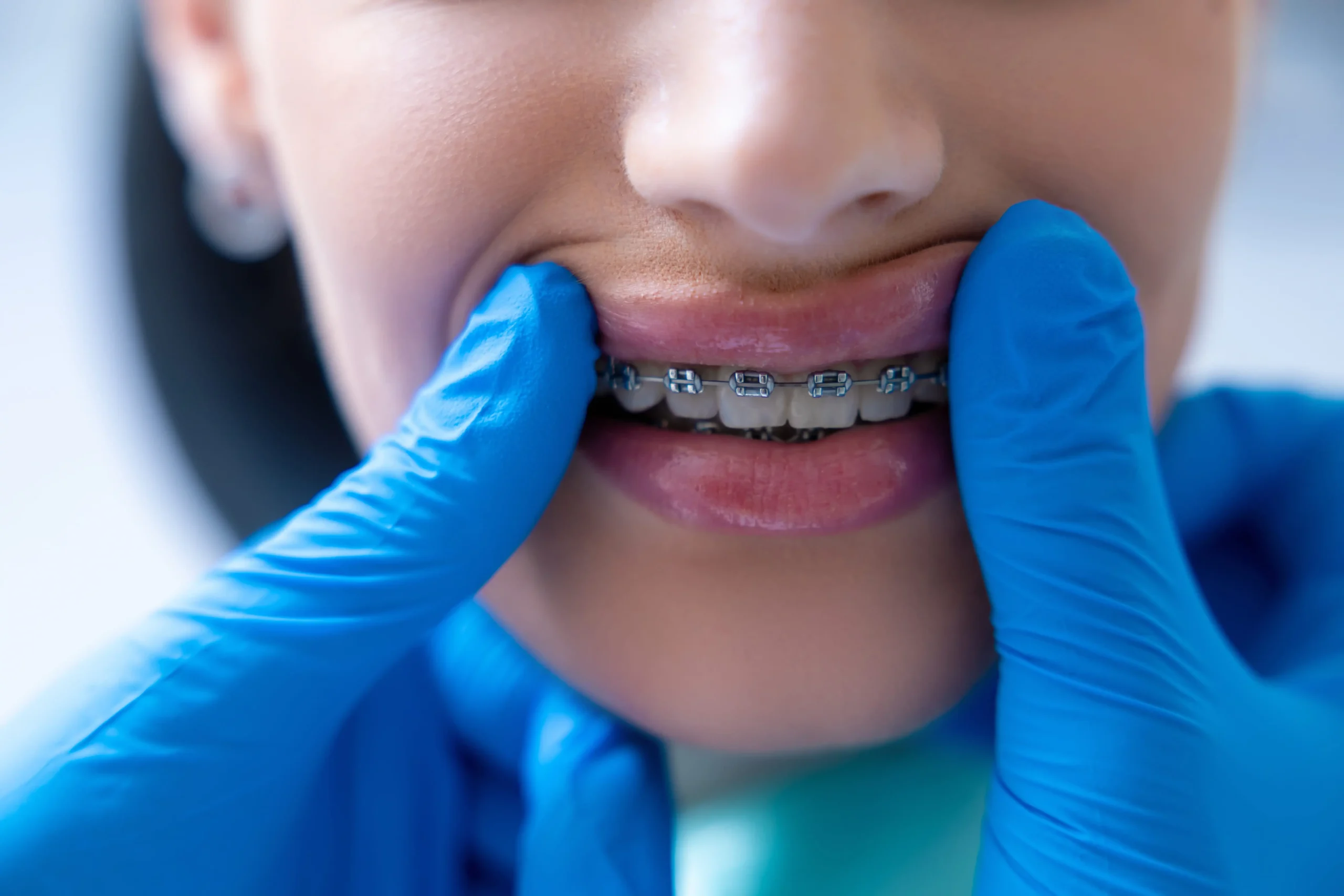
Most teenagers start orthodontic treatment between ages 11 and 14, once most of their permanent teeth have come in but the jaw is still growing enough to respond well to treatment. That said, the right time isn’t a fixed number on a calendar — it depends on how your teen’s teeth and jaw are developing, not their exact age. That’s why the American Association of Orthodontists recommends a first evaluation by age 7, years before most teens actually start wearing braces.
Why Timing Matters More Than a Specific Age
Two teenagers can be the same age and be at completely different stages of dental development. One might already have all their adult teeth in place; another might still be waiting on a few to come in. Orthodontic treatment works with that development, not against it, which is why an orthodontic evaluation looks at tooth eruption and jaw growth rather than a birth certificate.
Age 7: The First Evaluation, Not the First Treatment
An early evaluation around age 7 doesn’t usually mean braces go on that day — most children this age still have a mix of baby and permanent teeth, and treatment at this stage is the exception, not the rule. What an early check-up does is catch problems while they’re small: crowding, a crossbite, or a jaw that’s growing asymmetrically are all easier to guide at 7 or 8 than to correct at 14. When early intervention is needed, it usually involves a space maintainer, a palatal expander, or a short phase of partial appliances, not full braces.
The Most Common Window: Ages 11 to 14
This is the stretch where most teens actually start wearing braces or aligners, and there’s a clinical reason it clusters here: by this age, most or all of the permanent teeth have erupted, including the second molars, which typically come in between ages 11 and 13. At the same time, the jaw is still growing and the surrounding bone is more responsive to tooth movement than it will be a few years later. That combination — enough permanent teeth to plan a full treatment, plus a jaw that’s still cooperating — is what makes early-to-mid adolescence the efficient window rather than an arbitrary one.
Signs Your Teen May Be Ready Sooner — or Should Wait
- Most permanent teeth are in, including the second molars. This is the strongest single indicator that full treatment can begin.
- Visible crowding or spacing that’s getting worse, not better. Waiting rarely improves crowding on its own.
- A noticeable bite problem — an overbite, underbite, or crossbite. These often benefit from being addressed while the jaw is still growing.
- Several baby teeth still present with adult teeth not yet visible. This usually means it’s still too early for full treatment, though it’s worth monitoring.
- No visible problems and a straight-looking bite. A teen can still benefit from a check-up simply to confirm nothing needs attention.
What Happens If Treatment Starts Too Early or Too Late
Starting full treatment while too many baby teeth are still present can mean redoing part of the plan once the remaining adult teeth erupt, which stretches out total treatment time rather than shortening it. On the other end, waiting until the jaw has largely finished growing — typically the late teens — can make certain bite corrections harder to achieve without jaw surgery, since the treatment can no longer rely on guiding growth that’s already happened. Neither extreme is common when a teen has had at least one orthodontic evaluation along the way, which is the real value of not skipping that early check-up even when treatment doesn’t start right away.
Making Early Evaluations Part of the Family’s Routine Dental Care
For families who split their dental care between the US and Chihuahua, an orthodontic evaluation doesn’t have to be its own separate trip. Many of the families we see already come in for routine cleanings and check-ups for younger kids and grandparents alike, and a teen’s first orthodontic evaluation fits naturally into that same visit rather than requiring a specialist appointment booked separately at home. If treatment does turn out to be needed, that’s also the point where cost becomes a bigger factor for many border families — evaluating early, before a specific age or grade forces the decision, gives more room to plan the logistics and the budget without rushing either one.
If your teen is already past that early check-up stage and treatment is clearly on the table, our guide on the difference between braces and aligners covers how to choose between the two once you know treatment is the next step.
Frequently Asked Questions
What age should my teen start orthodontic treatment?
Most teens begin between 11 and 14, once most permanent teeth, including the second molars, have erupted. The exact timing depends on individual dental development rather than age alone.
Is 12 a good age to get braces?
Yes, for many teens it lands right in the ideal window: most permanent teeth are in, and the jaw is still growing enough to make tooth movement more efficient.
What if my teen still has baby teeth at 11 or 12?
That’s not unusual, and it’s a reason to wait a bit longer rather than a problem. An evaluation can confirm whether it’s worth waiting a year or so for more permanent teeth to erupt before starting full treatment.
Does an early evaluation mean my child will need braces?
Not necessarily. Many children evaluated around age 7 don’t need any treatment at that point — the evaluation is about catching problems early if they exist, not about starting treatment on a schedule.
Can we combine our teen’s orthodontic evaluation with a family dental visit in Chihuahua?
Yes. Families who travel for dental care often bring a teen in for an orthodontic evaluation during the same trip as routine check-ups or treatment for other family members.
Ready for the Next Step?
Whether your teen is 7 and due for a first look or 13 and clearly ready for treatment, the next step is the same: an evaluation that looks at their teeth and jaw, not a calendar. Book a consultation to find out where they stand.