Braces Cost in Mexico: What US and Canadian Patients Can Expect to Pay

Braces in Mexico typically run from about $1,000 to $4,500 for a full course of treatment, depending on the bracket system, versus roughly $3,000 to $8,000 or more in the US and Canada. That gap, usually somewhere between 40% and 70% depending on the case, is why so many patients from Texas and New Mexico now cross the border for orthodontic care rather than pay full price at home. The type of braces you choose, and how complex your case is, still matter more than which country you’re in.
What Drives the Price of Braces, No Matter Where You Get Them
Before comparing countries, it helps to know what’s actually being priced. Orthodontic fees generally cover the diagnostic work-up (X-rays, photos, a treatment plan), the brackets and wire or aligner system itself, and a defined number of monthly adjustment visits through to the final retainers.
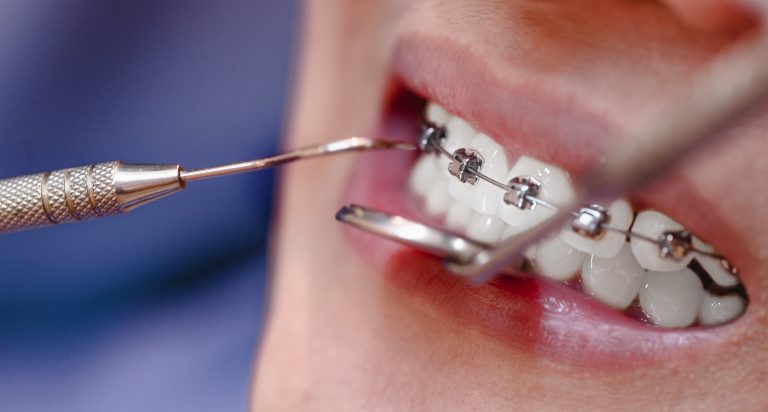
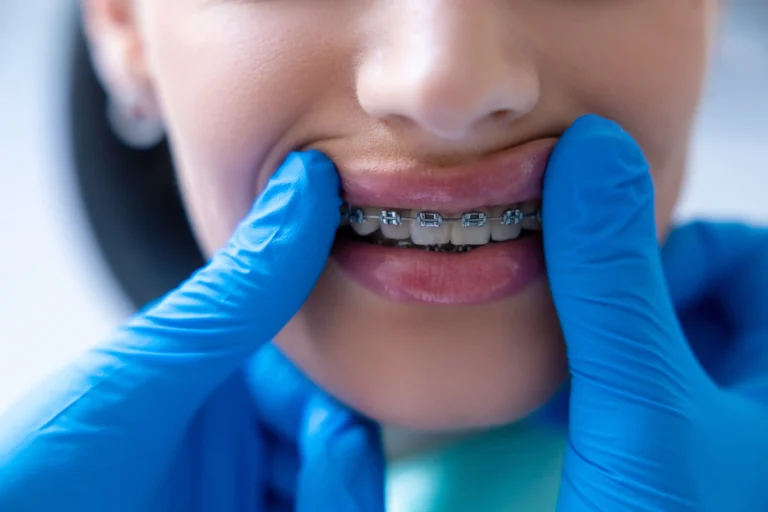
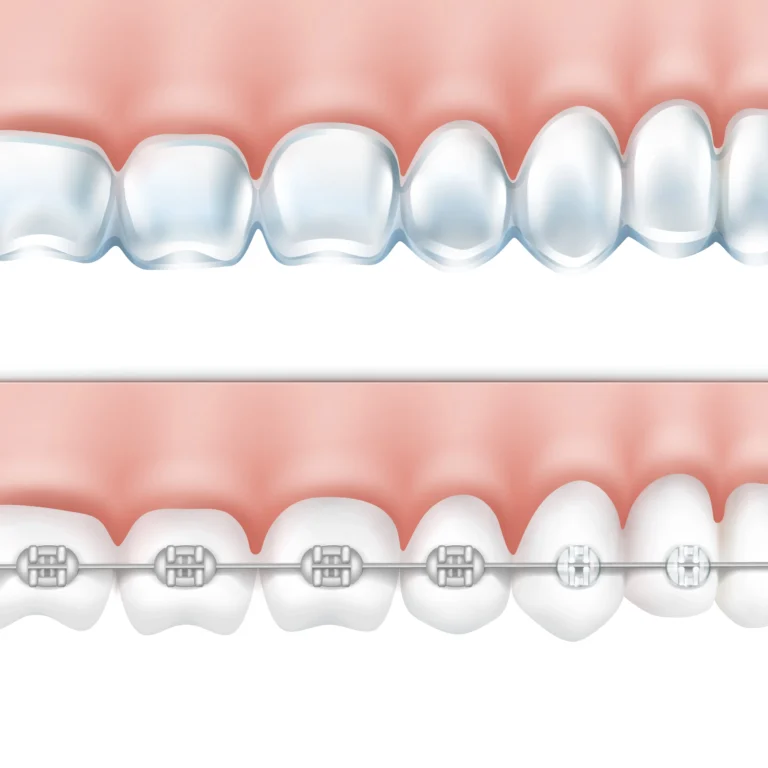
- Bracket system. Traditional metal is the least expensive; ceramic, self-ligating (Damon-style), lingual, and clear aligners cost progressively more, in Mexico and the US alike.
- Case complexity. Significant crowding, bite correction, or jaw-related issues add time and often cost, regardless of where treatment happens.
- Treatment length. Most courses of treatment run 18 to 36 months; longer cases involve more adjustment visits.
- Clinic location within Mexico. Established border hubs and resort destinations can price 15–25% above smaller cities, reflecting demand from international patients.
Braces Cost in Mexico vs. the US and Canada
| Bracket type | Typical cost in Mexico (USD) | Typical cost in the US/Canada (USD) |
|---|---|---|
| Traditional metal braces | $1,000 – $2,500 | $3,000 – $7,000 |
| Ceramic (tooth-colored) braces | $1,500 – $3,500 | $4,000 – $8,000 |
| Self-ligating (e.g., Damon) | $1,500 – $3,500 | $4,000 – $7,500 |
| Lingual braces | $3,000 – $6,500 | $8,000 – $13,000 |
| Clear aligners (Invisalign-type) | $2,500 – $5,000 | $3,500 – $8,000 |
These are general market ranges gathered across Mexican dental-tourism destinations, not a quote from any single clinic; ask for a written estimate after your consultation, since case complexity moves the number more than location does.
Why the Savings Are Real
The price difference isn’t a discount on quality — it reflects the underlying cost of running a practice. Rent, staff wages, and overhead are lower in Mexico than in most of the US or Canada, and that difference passes through to the patient. Many clinics that regularly treat international patients also use the same FDA-approved bracket brands and imaging technology as their US counterparts, and some are accredited by the Asociación Dental Mexicana or hold ADA-equivalent certifications. The savings come from overhead, not from cutting corners on materials.
The Overlooked Factor for Orthodontics: You’ll Need Several Visits
Braces aren’t a one-trip treatment. Whatever bracket system you choose, orthodontic care means monthly or bi-monthly adjustments for a year or more, which is where the numbers on paper meet the reality of travel. Patients who fly to resort destinations for a lower quoted price often end up weighing flights and hotel stays against every single adjustment, which can quietly erase part of the savings.
That’s the specific advantage of getting orthodontic treatment in Chihuahua rather than a coastal tourist hub: for patients from El Paso, Las Cruces, and the wider West Texas and New Mexico border area, a monthly adjustment is a same-day drive, not a flight. It’s the difference between orthodontics for adults or teens being a manageable routine and it being a logistical project every four to six weeks.
What’s Usually Included in the Quoted Price
- Initial consultation and diagnostic X-rays.
- Bracket placement (or first set of aligners).
- A defined number of monthly adjustment visits through the length of treatment.
- Final retainers once the brackets come off.
What’s often not included: emergency visits for a broken bracket outside the planned schedule, replacement retainers years later, or any bite-correction procedures identified after treatment starts. Ask for an itemized quote before committing, and see how metal or ceramic braces compare with the invisible alternative in our guide to braces versus clear aligners in Chihuahua.
Insurance, Financing, and Payment Plans
Most US and Canadian dental insurance plans don’t cover orthodontic treatment received abroad, and direct billing between Mexican clinics and international insurers is rare. Some patients recover part of the cost afterward through an HSA or FSA, since those accounts typically qualify for treatment regardless of where it happens — check with your plan administrator before you travel. On the Mexico side, clinics that regularly serve international patients are used to structuring a deposit followed by monthly installments, paid in cash, card, or bank transfer, so out-of-pocket doesn’t have to mean paying the full amount up front.
Frequently Asked Questions
Are braces really cheaper in Mexico?
Yes, generally by 40% to 70% compared to typical US or Canadian pricing for the same bracket system. The savings mainly come from lower operating costs at the clinic, not from lower-grade materials.
Will my US or Canadian dental insurance cover braces I get in Mexico?
Usually not directly. Most plans don’t offer in-network coverage abroad, though some out-of-network or HSA/FSA reimbursement may apply. Confirm with your insurer before committing to treatment.
How many trips to Mexico will I need for a full course of braces?
Plan on monthly or bi-monthly visits for the length of treatment, typically 18 to 36 months. This is why proximity matters: a border location makes that schedule realistic in a way a distant destination clinic doesn’t.
Is the quality of orthodontic care in Mexico comparable to the US?
At accredited clinics using recognized bracket brands and modern imaging, yes. Look for orthodontists trained and experienced specifically in orthodontics, not just general dentists offering braces as an add-on service.
Can my local orthodontist take over adjustments after treatment starts in Mexico?
Sometimes, particularly with standard bracket systems using widely available materials. Ask your Mexico-based orthodontist to confirm compatibility, and check with a local orthodontist in advance about whether they’re willing to take over a case they didn’t start.
Ready for the Next Step?
If a monthly drive across the border sounds more realistic than a monthly flight, that’s the practical case for treating your orthodontics in Chihuahua rather than a resort city. Book a consultation to get an itemized quote for your specific case.