Dental Implants Vs Bridges Which Solution Offers Greater Longevity

Dental Implants Vs Bridges: Which Solution Offers Greater Longevity
Choosing between dental implants and bridges can be a daunting decision for anyone facing dental restoration. Both solutions are popular, yet they differ significantly in terms of application and durability. Understanding which option offers greater longevity is crucial for ensuring lasting oral health.
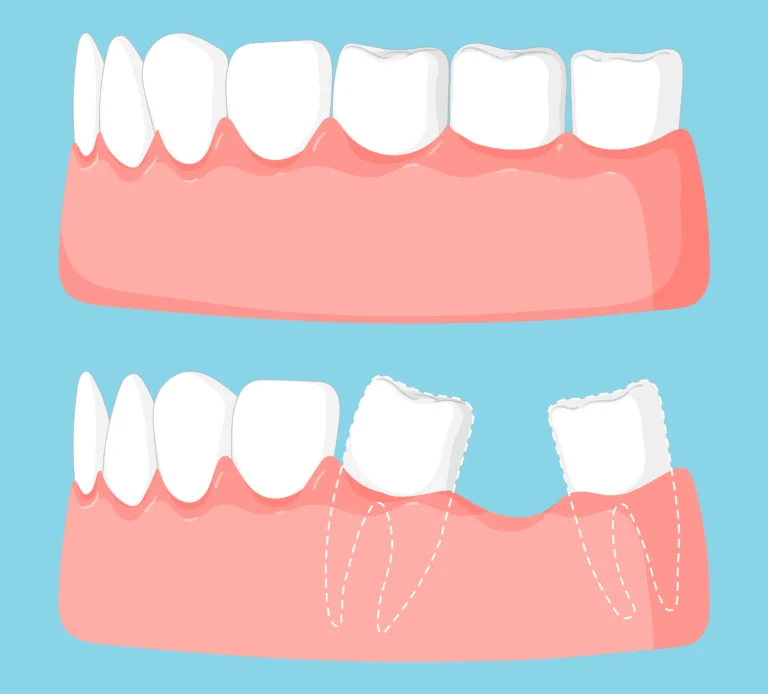
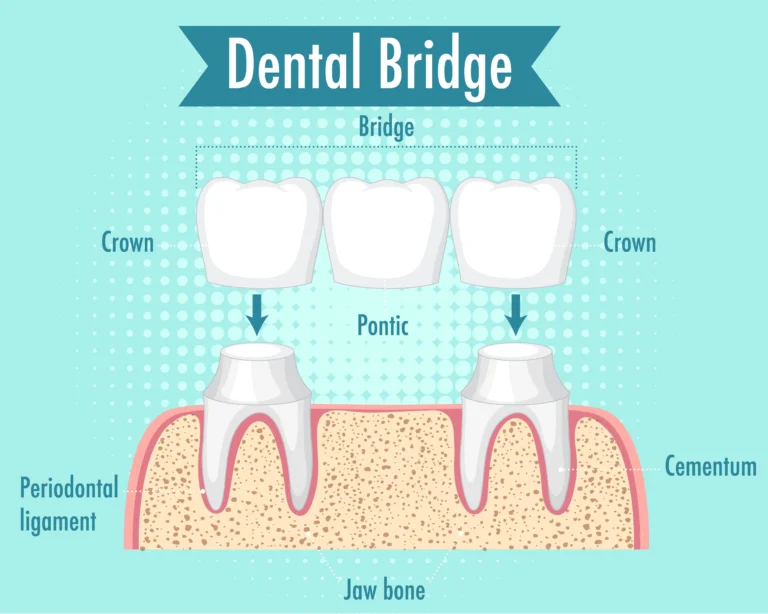
Dental implants are titanium posts surgically placed into the jawbone, serving as a foundation for replacement teeth, whereas bridges span the gap left by missing teeth using adjacent teeth for support. For patients in Chihuahua, Mexico, recognizing the longevity of these solutions can lead to more informed decisions about their dental care needs.
Ultimately, knowing the benefits and potential drawbacks of each can aid in selecting the best treatment for long-term dental health. This decision is not only about aesthetics but also about functionality and sustainability over time.
Understanding the Real Problem
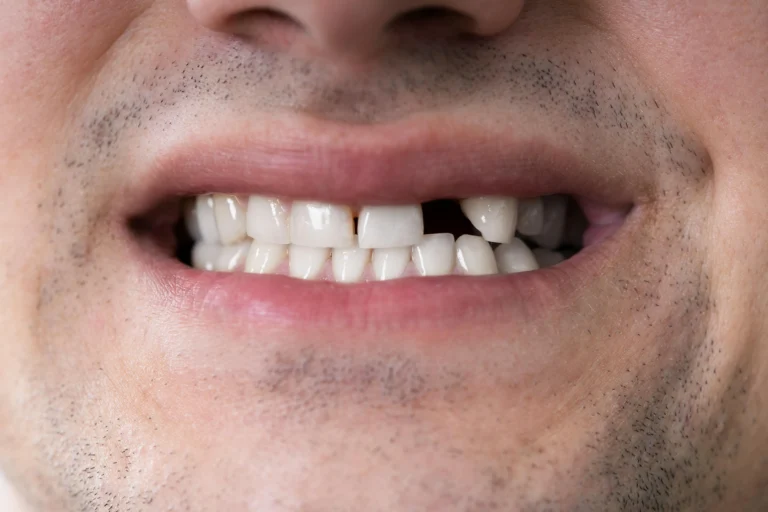
Many individuals face the loss of teeth due to various dental issues such as tooth decay, gum disease, or trauma. These problems often lead to the need for restorative solutions, such as dental implants or bridges. Imagine a patient in Chihuahua, Mexico, who has lost a tooth due to an accident. This individual must decide between these two options to restore their smile and functionality.
Choosing the right solution is vital for long-term oral health. Dental implants offer a permanent solution by integrating with the jawbone, providing stability akin to natural teeth. In contrast, bridges are a less invasive option that relies on surrounding teeth for support but may not last as long as implants.
Consulting with a dentist in Chihuahua, Mexico, can help patients navigate these choices. Dental professionals provide insights into the suitability of each option based on the patient’s specific needs, ensuring the chosen method supports not just immediate aesthetics but also sustainable oral health. Making an informed decision is crucial for preventing further complications and maintaining a healthy smile over time.
Potential Risks and Considerations
When considering dental implants, patients should be aware of certain risks. Implants require a surgical procedure, which carries the potential for infection, nerve damage, or sinus problems. While these issues are rare, they can impact the success of the implant.
On the other hand, bridges, although less invasive, have their own complications. They rely on adjacent teeth for support, which can lead to decay or damage over time. Additionally, bridges may not offer the same natural look and feel as implants, and may require replacement sooner.
For patients in Chihuahua, Mexico, visiting our dental clinic offers the advantage of professional guidance tailored to their needs. Local dental professionals can evaluate individual circumstances, such as bone density and oral health, to recommend the most suitable option. It’s essential to consider these factors and consult with a trusted dental expert to ensure a decision that aligns with both personal health and lifestyle needs.
Diagnosis and Decision-Making
Diagnosis by Dental Professionals
Dental professionals begin the diagnostic process by conducting a comprehensive oral examination, which often includes X-rays and 3D imaging. This helps in assessing the condition of the teeth, gums, and jawbone. Such evaluations are crucial in determining whether a patient is a suitable candidate for dental implants or bridges.
Factors Influencing Choice
Several factors influence the decision between implants and bridges. These include the patient’s oral health status, bone density, and the location of the missing tooth. Cost considerations and the patient’s preference for a removable or permanent solution also play a role. For instance, implants are often recommended for patients with sufficient bone structure, while bridges may be suitable for those looking for a less invasive option.
Patient-Specific Considerations in Chihuahua, Mexico
In Chihuahua, Mexico, specific local factors such as available dental technology and patient lifestyle are considered. A dentist in Chihuahua may also take into account cultural preferences and economic factors unique to the region, ensuring that the recommended solution aligns with the patient’s personal circumstances and long-term oral health goals.
Treatment Options for Longevity
When considering dental implants, the process begins with a surgical procedure to insert a metal post into the jawbone, which serves as an artificial root. Following this, a healing period is necessary for the implant to integrate with the bone, after which a crown is placed on top. This method offers a permanent and durable solution, often lasting a lifetime with proper care.
On the other hand, dental bridges involve placing crowns on the adjacent teeth to support a false tooth in between. The procedure is less invasive than implants and usually requires less time to complete. However, bridges may need replacement after 5 to 15 years, depending on the wear and oral hygiene.
In terms of longevity and maintenance, implants generally require less ongoing maintenance than bridges. Bridges necessitate careful cleaning to prevent decay under the supporting teeth. While both options can effectively restore function and aesthetics, the durability of implants often makes them a more attractive long-term solution for patients seeking lasting oral health.
Frequently Asked Questions
Q: What are the cost differences between implants and bridges?
A: Generally, dental implants tend to be more expensive upfront compared to bridges. However, their longer lifespan can make them more cost-effective over time. Consider consulting with a dentist in Chihuahua, Mexico for local pricing details.
Q: How long do dental implants last compared to bridges?
A: Dental implants can last a lifetime when properly cared for, whereas bridges may need to be replaced every 5 to 15 years, depending on factors such as oral hygiene and wear.
Q: What is the recovery time for each procedure?
A: Recovery from dental implant surgery can take several weeks to a few months, as the implant needs time to integrate with the jawbone. In contrast, recovery from a bridge procedure is typically much shorter, often just a few days to a week.
Q: Are there specific considerations for patients in Chihuahua, Mexico?
A: Patients in Chihuahua should consider the availability of skilled professionals and the quality of materials used. Choosing a reputable clinica dental en Chihuahua, Mexico can ensure the best possible outcomes for either procedure.
Conclusion
In conclusion, both dental implants and bridges offer viable solutions for replacing missing teeth, each with its own set of advantages and longevity considerations. Dental implants generally provide a longer-lasting solution, while bridges can be a more cost-effective choice in the short term. It’s crucial to weigh these options carefully, considering factors like cost, durability, and personal oral health needs.
For those in Chihuahua, Mexico, consulting with a dentist in Chihuahua, Mexico is essential to obtain personalized advice tailored to your specific circumstances. A local dental professional can guide you in making informed decisions that best suit your dental health requirements.
We invite you to explore our blog, where you’ll find a wide variety of articles on oral health, easy tips for maintaining a perfect smile, and answers to frequently asked questions.
At Los Ángeles Dental Center, we are committed to providing you with the best care. We invite you to visit us and discover how we can help you achieve the smile you’ve always wanted with the help of our experts on dental implants in Chihuahua, México. Contact us today to schedule your appointment here:
Best regards!
Los Ángeles Dental Center