Is Dental Implant Surgery Painful? What Patients Really Feel

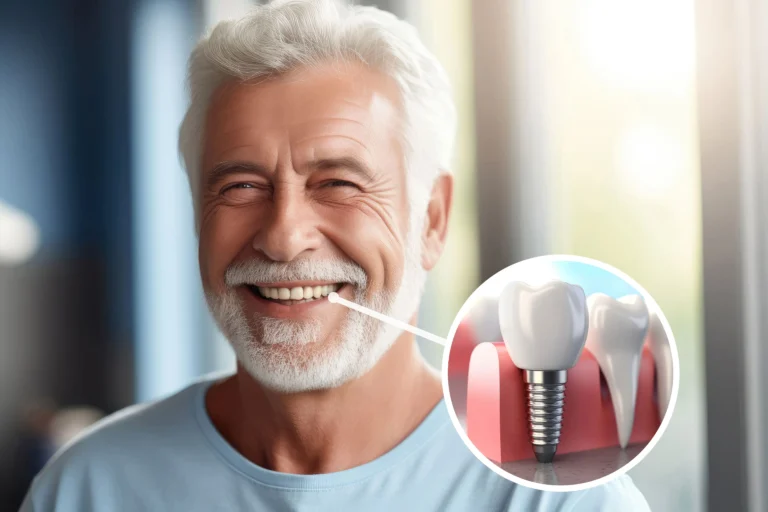
Dental implant surgery itself isn’t painful — local anesthesia blocks pain signals completely while the implant is placed, so what you feel is pressure, not pain. The soreness people associate with implants shows up afterward, once the anesthesia wears off, and it typically peaks in the first two to three days before fading over one to two weeks. For most patients, it’s milder than they expected, and often milder than a tooth extraction.
What Actually Happens During the Procedure
Before any drilling begins, the surgical area is fully numbed with local anesthesia, the same kind used for a filling. Patients who feel anxious about the visit can usually add a layer of sedation on top of that: oral sedation to take the edge off while staying conscious, or IV sedation for a deeper, more relaxed state. General anesthesia exists but is rarely needed for a routine dental implant placement.
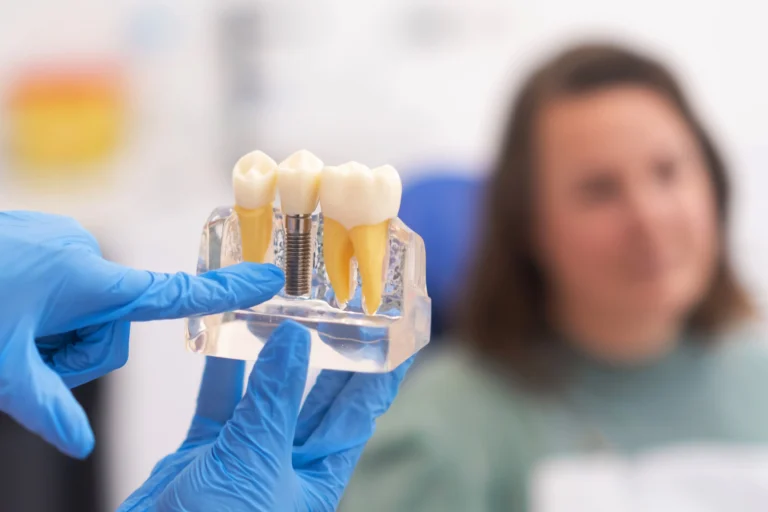
Once the area is numb, the implant team creates a small opening in the gum and jawbone and places the titanium post. You may hear the sound of the drill or feel pressure and vibration through your jaw — sensations, not pain. If anything sharp comes through, that’s the signal to ask for more anesthetic before continuing, not something to push through.
What the Soreness Feels Like Once the Numbness Wears Off
A few hours after surgery, once the anesthetic fades, most patients describe a dull, throbbing ache around the implant site rather than sharp pain. Mild swelling, some bruising, and a little oozing from the surgical area in the first 24 hours are all considered normal, not warning signs.
| Timeframe | What’s typical |
|---|---|
| Day 1 | Soreness sets in as anesthesia wears off; mild bleeding or oozing is common. |
| Days 2–3 | Swelling and discomfort usually peak, then start to ease. |
| Days 4–7 | Noticeable improvement; most people return to normal activity. |
| Weeks 2–4 | Mild tenderness may linger, but daily life isn’t affected. |
This timeline shifts depending on how many implants were placed and whether bone grafting was part of the procedure — grafting adds an extra surgical site, which usually means a bit more swelling in the first few days, without meaningfully changing the overall recovery.
How It Compares to Other Dental Procedures
Patients who’ve had a tooth pulled before often use that as their reference point, and most say implant placement feels about the same or milder — the implant site is smaller and more precisely prepared than the socket left behind by an extraction. Root canals are a different comparison: the procedure itself doesn’t hurt either way, but a root canal is usually needed because of an infection that was already causing pain beforehand. With an implant, there’s no pre-existing infection driving discomfort — just planned, controlled surgery and a predictable healing window.
Managing Discomfort When You’re Traveling for Treatment
For patients coming from El Paso, Las Cruces, or farther afield, recovery has an extra layer most local patients don’t think about: getting home while still in the first few days of healing. The good news is that mild swelling and soreness are not a reason to delay travel — most patients are comfortable making the drive back the same day or the next, especially if the trip is a few hours rather than a long-haul flight.
- Plan your return trip for day two or later if possible, once the numbness has fully worn off and any bleeding has settled.
- Pack soft foods for the road — yogurt, a smoothie, applesauce — so you’re not stuck looking for options at a gas station.
- Bring your prescribed medication in its original packaging when crossing the border, along with a copy of your treatment paperwork in case it’s requested.
- Keep ice packs or a cold compress accessible for the car ride if swelling is still building on day two or three.
When Pain Signals a Problem
Discomfort that steadily improves day by day is expected. Discomfort that gets worse after day four or five isn’t, and it’s worth a call to the clinic rather than waiting it out.
- Pain that increases instead of easing after the first few days.
- A fever above 101°F (38.3°C).
- Pus, a persistent foul taste, or an odor from the surgical site.
- Bleeding that doesn’t stop after steady pressure for 30 minutes.
- An implant that feels loose or moves when touched gently with your tongue.
Any of these warrants contacting your implant team promptly rather than waiting for your next scheduled visit. Most cases turn out to be manageable, but catching a problem early protects the investment you’ve made, as covered in Are Dental Implants Worth the Investment? What Patients Should Know.
Simple Ways to Stay Comfortable During Recovery
- Ice, not heat, for the first 48 hours — short intervals against the cheek reduce swelling more than they numb pain.
- Soft, cool foods for the first week: yogurt, mashed potatoes, scrambled eggs, smoothies without a straw.
- Head elevated while resting or sleeping to keep swelling from settling overnight.
- Gentle salt-water rinses starting the day after surgery, avoiding vigorous swishing near the site.
- No smoking and no straws for at least a week — both can disturb healing and slow it down.
If bone grafting is part of your treatment plan because of prior tooth loss, our guide to how bone loss impacts your qualification for implants walks through what that additional step involves.
Frequently Asked Questions
Does the implant surgery itself hurt?
No. Local anesthesia fully numbs the area before any work begins, so you’ll feel pressure or vibration, not pain, during the procedure itself.
How long does the discomfort last after surgery?
Most patients feel noticeably better within a week, with any mild tenderness gone by three to four weeks. Soreness typically peaks in the first two to three days and improves steadily after that.
Is bone grafting more painful than the implant itself?
Not dramatically. Grafting adds a second surgical site, which can mean a bit more swelling early on, but when it’s done alongside implant placement, you’re managing one recovery period rather than two.
Can I travel home a day or two after implant surgery?
Generally, yes. Mild swelling and soreness aren’t a reason to delay the trip home for most patients, though it’s worth planning the return for day two or later once bleeding has settled and building in stops for soft food and rest.
What pain medication can I bring back across the border?
Keep any prescribed medication in its original, labeled packaging along with your treatment paperwork. Rules on quantities and specific medications can change, so it’s worth checking current customs guidance for your home country before you travel.
Ready for the Next Step?
If fear of pain is the only thing standing between you and replacing a missing tooth, that fear usually doesn’t survive first contact with the actual procedure. Book a consultation to talk through what to expect for your specific case.