Can You Get Dental Implants If You Have Gum Problems?

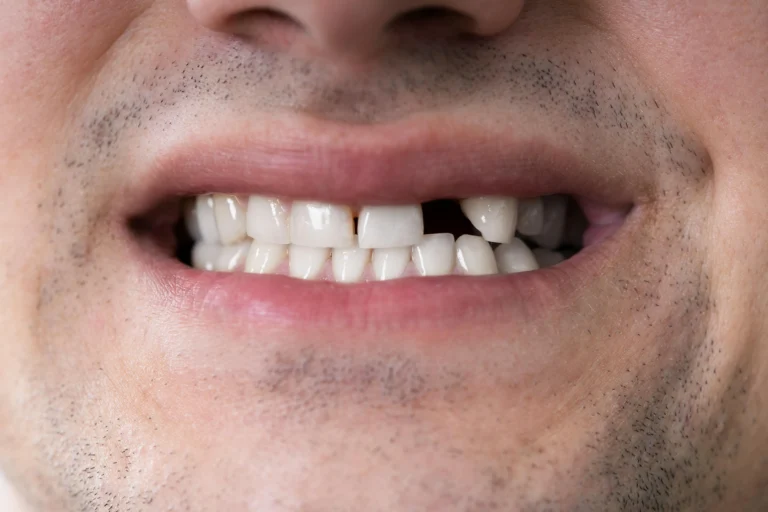
Dental implants are one of the most commonly recommended solutions for replacing missing teeth in adults. However, many patients considering implants also suffer from gum-related issues such as bleeding gums, bone loss, chronic inflammation, or loose teeth. This raises an important question: can dental implants still be placed safely if gum disease is already present?
The answer depends on the severity of the periodontal condition and the overall health of the supporting tissues. In many cases, patients with gum problems may still become candidates for dental implants after proper periodontal evaluation and treatment.
At Los Ángeles Dental Center, patients seeking dental implants in Chihuahua are frequently evaluated for signs of periodontal disease before implant placement. This step is essential because healthy gums and stable bone are critical for long-term implant success.
Understanding the Relationship Between Gum Disease and Dental Implants
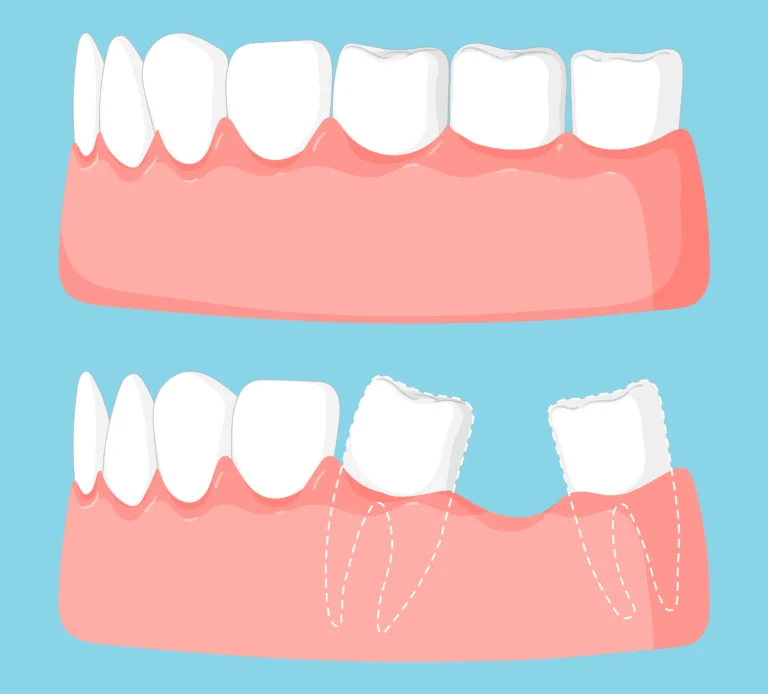
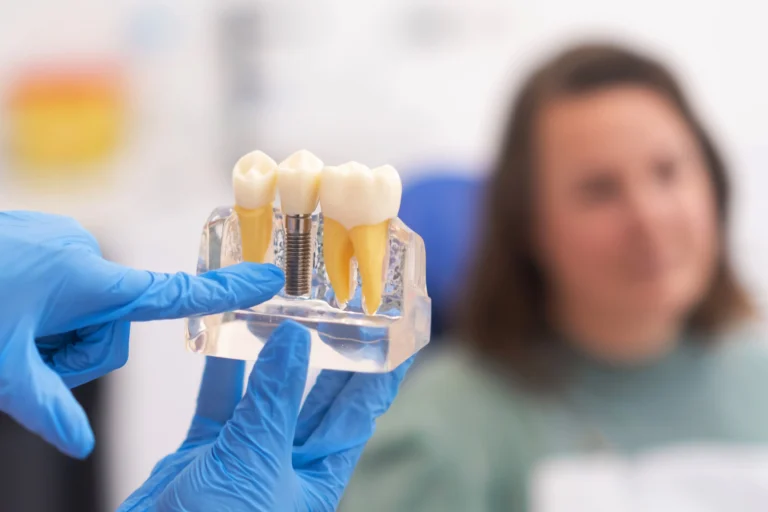
Dental implants are surgically placed into the jawbone and rely on surrounding bone and gum tissue for stability. When periodontal disease is present, these supporting structures may already be compromised.
Periodontal disease can lead to:
- Bone loss around teeth
- Chronic gum inflammation
- Receding gums
- Tooth mobility
- Increased bacterial accumulation
If these conditions are not controlled, they may increase the risk of complications after implant placement.
Patients searching for a dental implantologist in Chihuahua are often surprised to learn that untreated gum disease is one of the main reasons implant treatment may need to be delayed.
What Is Periodontal Disease?
Periodontal disease is a chronic inflammatory condition caused primarily by bacterial plaque accumulation around the teeth and gums.
It generally progresses in stages.
Gingivitis
This early stage involves:
- Red or swollen gums
- Bleeding during brushing or flossing
- Mild inflammation without bone loss
Gingivitis may often improve with professional cleanings and better oral hygiene.
Periodontitis
If inflammation progresses deeper below the gumline, periodontitis can develop. This stage may involve:
- Bone destruction
- Gum recession
- Deep periodontal pockets
- Loose teeth
- Persistent bad breath
Advanced periodontitis can eventually lead to tooth loss, which is one reason many adults begin exploring dental implants in Chihuahua.
Can Patients With Gum Disease Still Receive Dental Implants?
In many situations, yes — but periodontal disease usually needs to be stabilized first.
Before placing implants, the dental team typically evaluates:
- Bone quantity and density
- Active gum inflammation
- Oral hygiene habits
- Smoking history
- Medical conditions such as diabetes
- Existing tooth mobility
Patients with active infection or severe untreated periodontitis may first require periodontal therapy before implants can be safely considered.
At Los Ángeles Dental Center, periodontal evaluations are commonly performed by Dra. Xóchitl Frías, specialist in periodontics in Chihuahua, especially in cases involving bone loss or chronic gum inflammation.
Why Healthy Gums Matter for Implant Success
Dental implants do not develop cavities, but the surrounding tissues can still become infected.
A condition called peri-implantitis may occur when bacteria accumulate around the implant surface. This can cause:
- Bone loss around the implant
- Gum inflammation
- Bleeding during brushing
- Implant instability
- Implant failure in severe cases
Patients with a history of periodontal disease may have a higher risk of peri-implant complications if preventive maintenance is not maintained after treatment.
This is why long-term periodontal monitoring is usually recommended for patients receiving dental implants in Chihuahua.
Periodontal Treatment Before Dental Implants
The first step is often controlling the gum disease itself.
Depending on the severity of the condition, treatment may include:
- Professional deep cleaning (scaling and root planing)
- Antibiotic therapy
- Improved home hygiene routines
- Periodontal maintenance visits
- Gum surgery in advanced cases
The goal is to reduce bacterial infection and stabilize the supporting tissues before implant surgery.
In some patients, tooth extraction may still be necessary if the tooth cannot be predictably preserved.
What If There Is Bone Loss?
Bone loss is one of the most common consequences of advanced periodontal disease. Since implants require sufficient bone support, some patients may need additional procedures before implant placement.
These may include:
Bone Grafting
Bone grafts help rebuild areas where bone has been lost due to infection or tooth extraction.
Sinus Lift Procedures
In the upper jaw, sinus augmentation may sometimes be necessary if bone height is insufficient.
Guided Bone Regeneration
Specialized membranes and graft materials may help stimulate new bone formation around future implant sites.
A dental implantologist in Chihuahua may recommend imaging studies such as CBCT scans to evaluate available bone before treatment planning.
Lifestyle Factors That Can Affect Implant Success
Certain habits and medical conditions may influence healing and long-term implant stability, particularly in patients with previous gum disease.
Risk factors may include:
- Smoking
- Poor oral hygiene
- Uncontrolled diabetes
- Teeth grinding
- Irregular dental visits
Smoking is especially important because it may reduce blood flow to gum tissues and interfere with healing after implant surgery.
Maintaining Dental Implants After Treatment
Patients with a history of periodontal disease usually require ongoing maintenance after implant placement.
Maintenance may include:
- Regular periodontal cleanings
- Monitoring gum pockets around implants
- Professional plaque removal
- X-rays to evaluate bone stability
- Reinforcement of oral hygiene techniques
Good long-term maintenance is essential for protecting both natural teeth and implants.
Frequently Asked Questions
Can gum disease cause dental implant failure?
Yes. Untreated periodontal disease or peri-implantitis may contribute to bone loss and implant instability over time.
Do I need gum treatment before getting implants?
In many cases, yes. Active infection and inflammation should usually be treated before implant placement.
Are dental implants safe for patients with previous periodontitis?
They may still be successful if periodontal disease is controlled and proper maintenance is followed.
Can bone loss from gum disease be repaired?
Some patients may benefit from bone grafting procedures before implant placement, depending on the amount of bone loss present.
Conclusion
Having gum problems does not automatically prevent someone from receiving dental implants. However, periodontal health plays a critical role in determining whether implants can be placed safely and maintained successfully over time.
A thorough evaluation is essential to identify active infection, bone loss, and other risk factors before treatment begins. In many cases, periodontal therapy can help stabilize the gums and prepare the mouth for implant placement.
At Los Ángeles Dental Center, patients seeking dental implants in Chihuahua are evaluated through a comprehensive periodontal and implant assessment. Cases involving gum disease are commonly managed in collaboration with Dra. Xóchitl Frías, specialist in periodontics in Chihuahua, and Dr. Gerardo Portillo, oral surgeon and dental implantologist in Chihuahua, México.
We invite you to explore our blog, where you’ll find a wide variety of articles on oral health, practical tips for maintaining a healthy smile, and answers to frequently asked questions about dental treatments and preventive care.
At Los Ángeles Dental Center, we are committed to providing professional, patient-focused care tailored to your oral health needs. If you are considering dental implants in Chihuahua, México, our team can help you better understand your treatment options and what to expect throughout the process.
Contact us today to schedule your appointment:
ladentalcentercuu@gmail.com
614 595 4152 / 614 498 8378
Best regards,
Los Ángeles Dental Center